Ready to bring the Silvur experience to your members? Book a personalized demo now!

Lesson 5
Taxes on Social Security Benefits
1 min lesson
Last Updated: December 30, 2025
Part of tax planning during retirement is considering taxes on Social Security benefits. Your Social Security retirement, disability and survivor benefits might be subject to taxes. As you plan for retirement and manage your income, it’s important to stay on top of your potential tax bill.
Federal vs. State Taxes on Social Security Benefits1,2
First of all, the federal government might tax a portion of your Social Security benefits. The amount of your benefits that might be taxed at the federal level depends on your filing status and income.
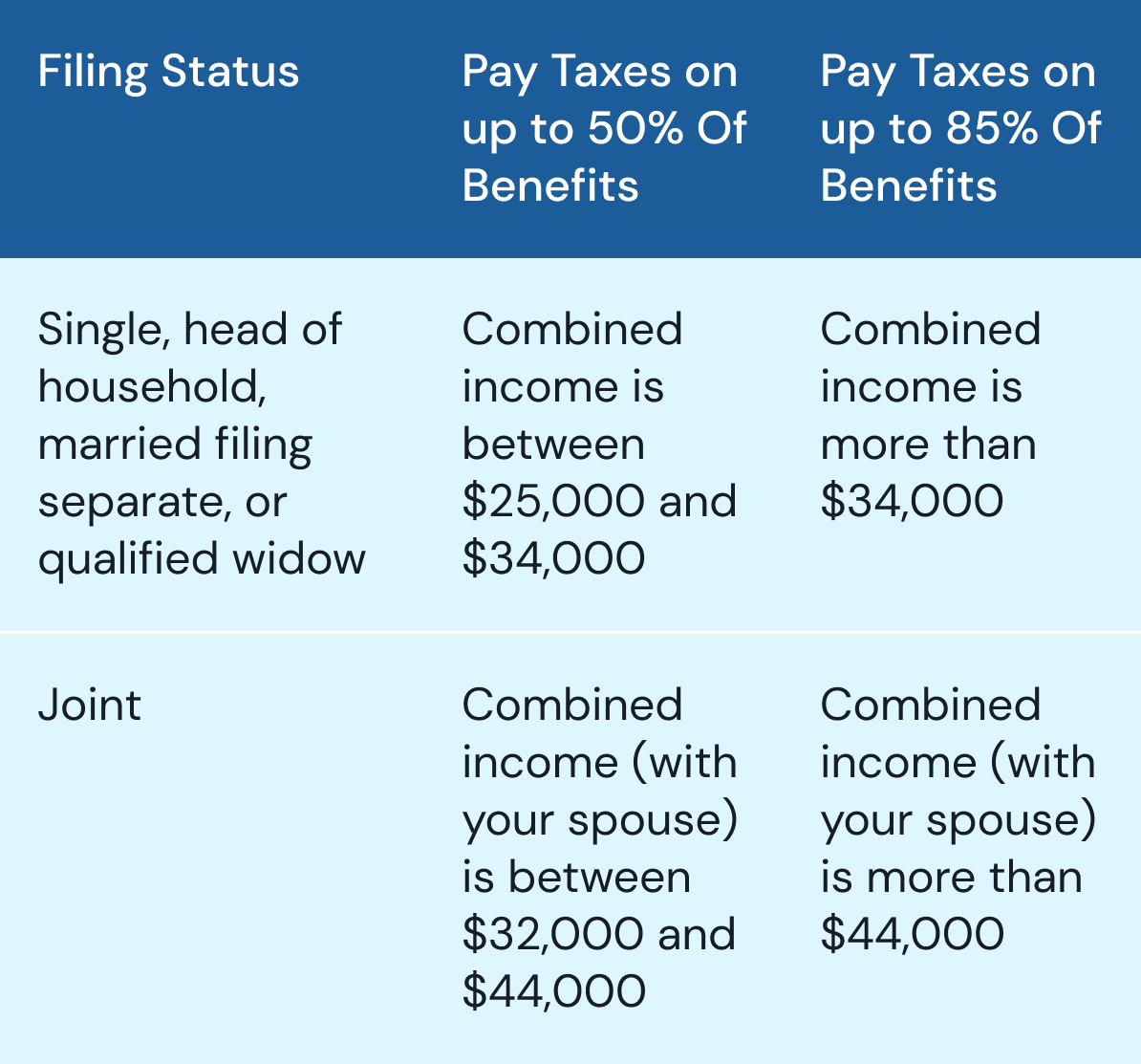
However, each state handles taxes on Social Security in their own way. As of 2026, there are 41 states that won’t tax any portion of your Social Security taxes. Here are the 9 states that levy some type of tax on a portion of your Social Security benefits:3
- Colorado
- Connecticut
- Minnesota
- Montana
- New Mexico
- Rhode Island
- Utah
- Vermont
- West Virginia (West Virginia will completely phase out taxes on Social Security benefits beginning in 2027)
Double-check your state’s tax laws to determine how they handle taxes on Social Security benefits, as well as how they tax other types of retirement income.
SOURCES:
- “IRS reminds taxpayers their Social Security benefits may be taxable.” irs.gov. 9 February 2022. https://www.irs.gov/newsroom/irs-reminds-taxpayers-their-social-security-benefits-may-be-taxable. Accessed 16 December 2025..
- “Income Taxes And Your Social Security Benefit.” Social Security Administration. https://www.ssa.gov/benefits/retirement/planner/taxes.html. Accessed 16 December 2025.
- Schubel, Kate “States That Tax Social Security Benefits in 2026.” Kiplinger, 22 June 2025. https://www.kiplinger.com/retirement/social-security/603803/states-that-tax-social-security-benefits. Accessed 16 December 2025.


Bring the power of Silvur to your members